← Back to homepage

Key land-buying topics under the microscope
Buying land is more than a nice view and a good price. Some of the most important details won’t show up in the listing, but they can complicate your build later on. Here we go deeper and break down the things people most often miss in practice.

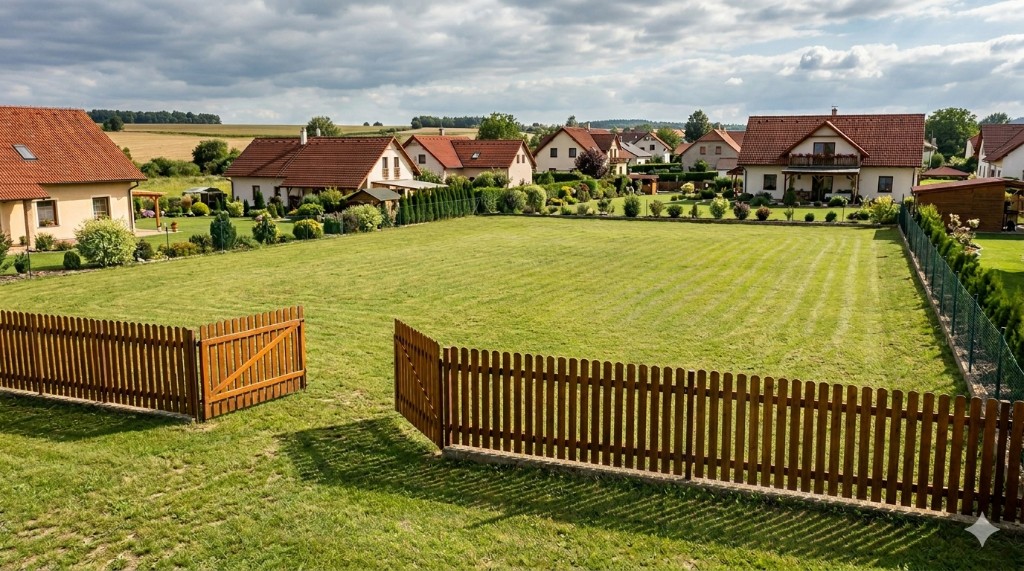
How to tell if land is actually buildable?
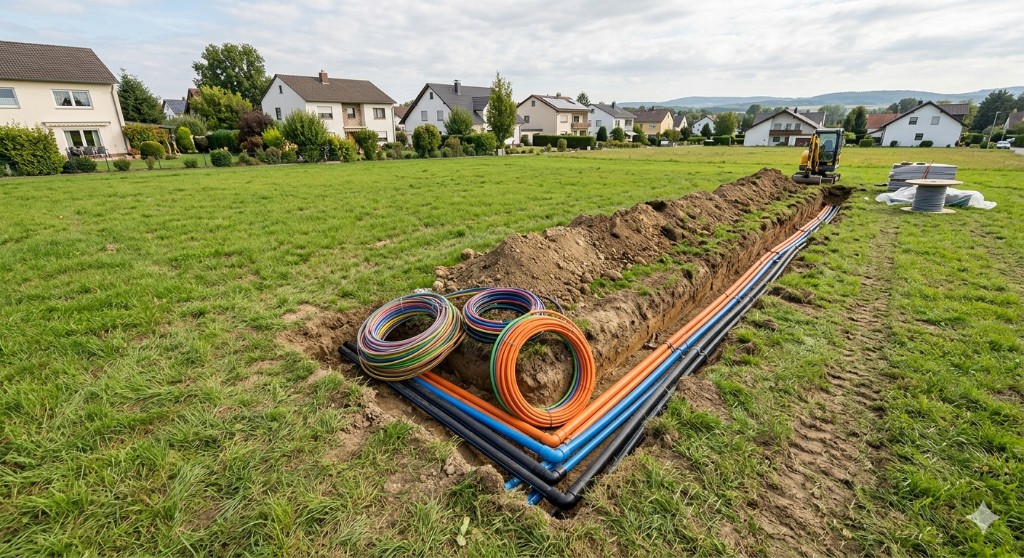
Listings promise a buildable plot, yet zoning, access, and utilities decide whether your project is feasible.

Easements: Invisible obstacles that can stall your construction
A plot can look empty while legal rights dictate fences, trenches, and who may cross the land.

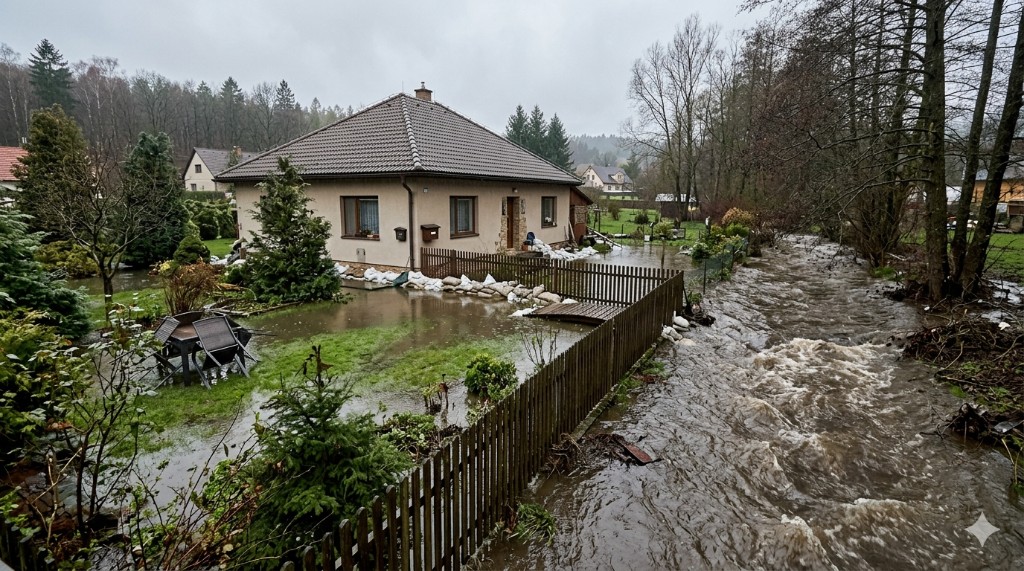
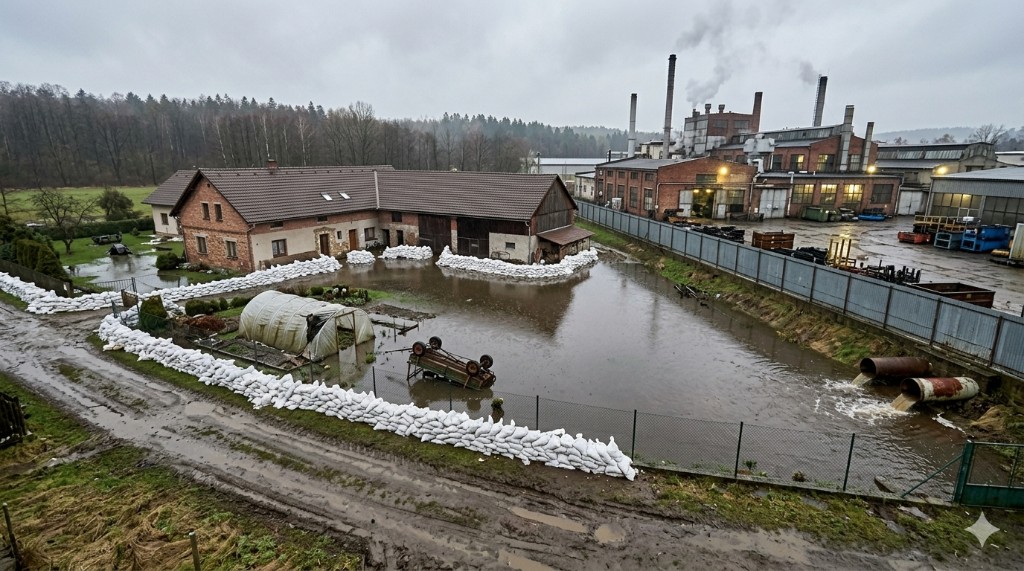
Flood zones: impact on mortgage, insurance, and future resale
Water views sell listings, but banks and insurers read hazard maps before they price the deal.

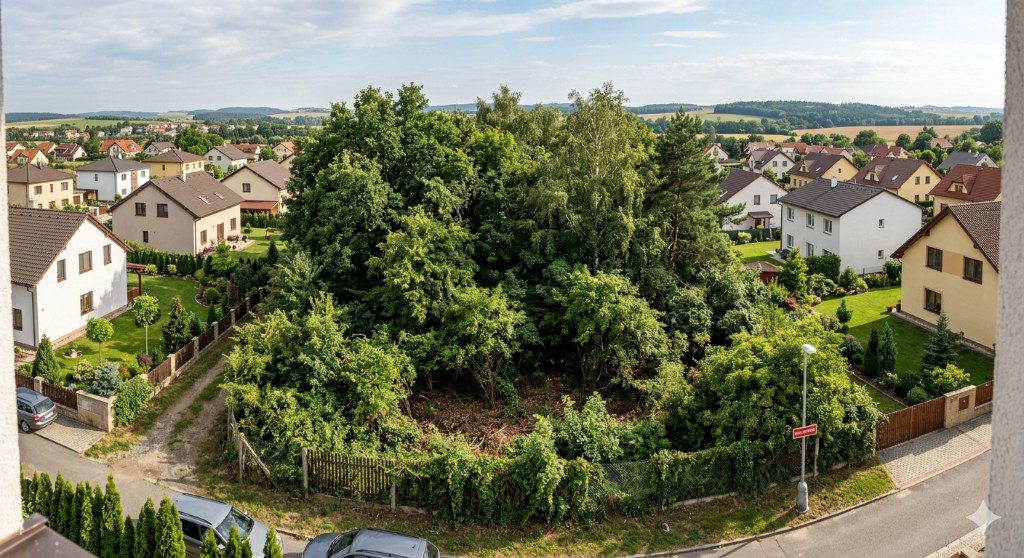
Don’t ignore the surroundings: you’re buying a place to live, not just square meters
A home isn’t an island: services, transport, municipal plans, and neighboring uses can reshape value and peace.

Building limits: why “buildable” doesn’t mean you can build anything
Even on buildable land, use codes, coverage ratios, height and roof rules, setbacks, and greenery limits apply; confirmed via planning information.

Land for a mobile home and a tiny house: what alternative living means in practice
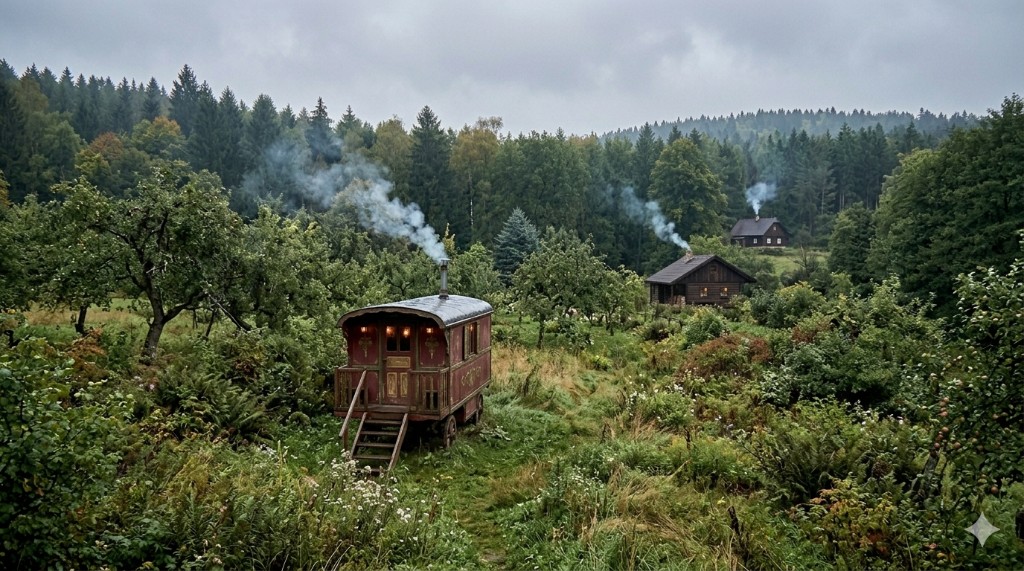
A mobile home still follows rules: without zoning compliance, setbacks, utilities and access, the project can be illegal or impractical.

Access road: the “given” that can block an entire build
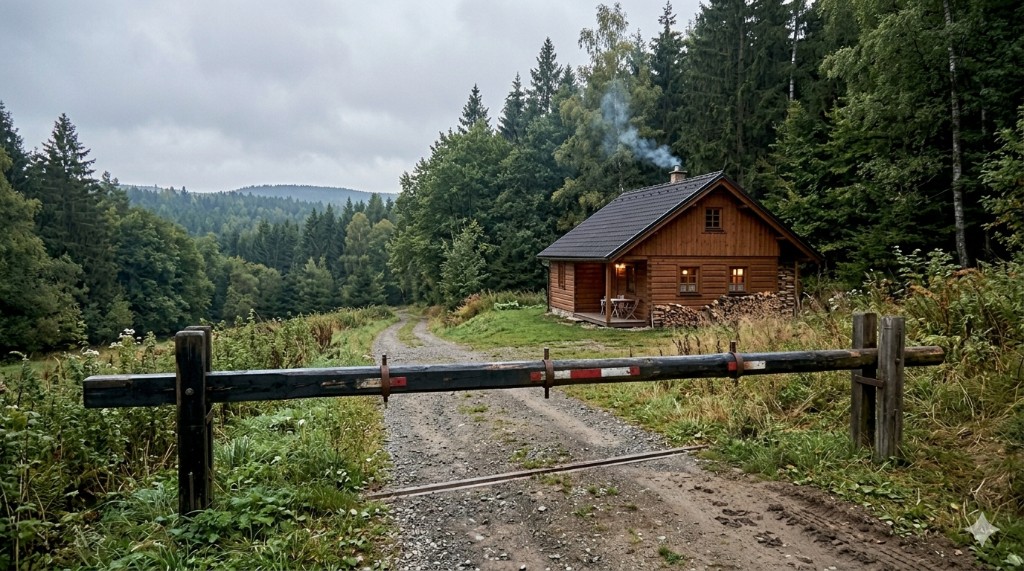
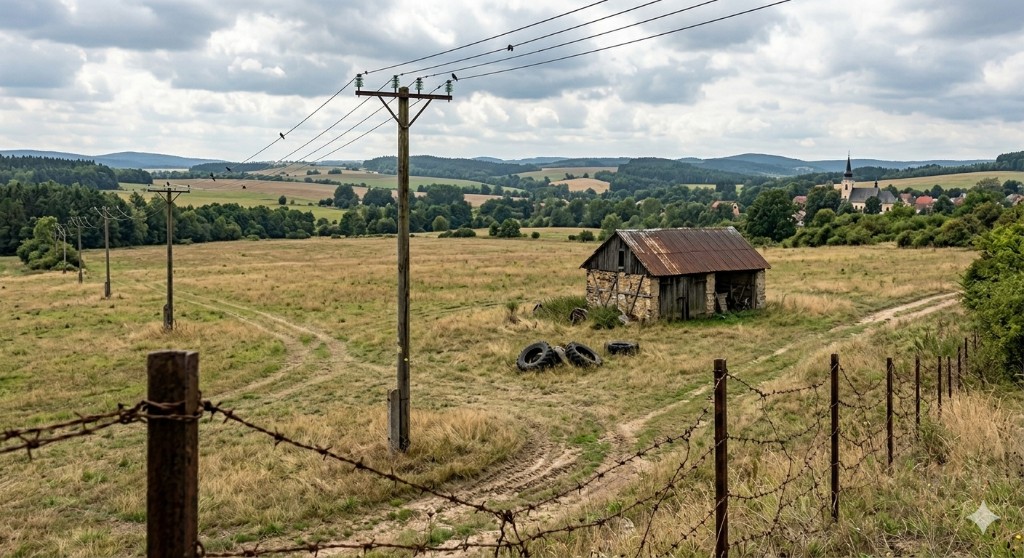
It’s not enough that you can physically reach the plot. You need a permanent legal access right (easement/share) and often utility rights too.

A biocorridor on your plot: nature that can dictate where you can’t build
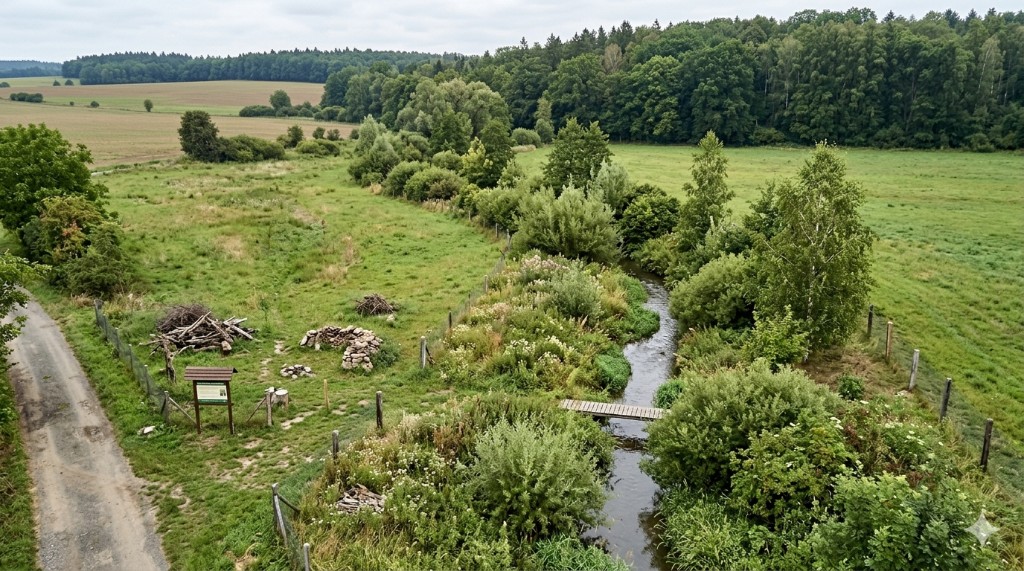
A biocorridor often restricts buildings and fencing in its route. Without early checks, you may buy “buildable” land that won’t be approved.

Below the surface: how geology and history shape the true cost of building
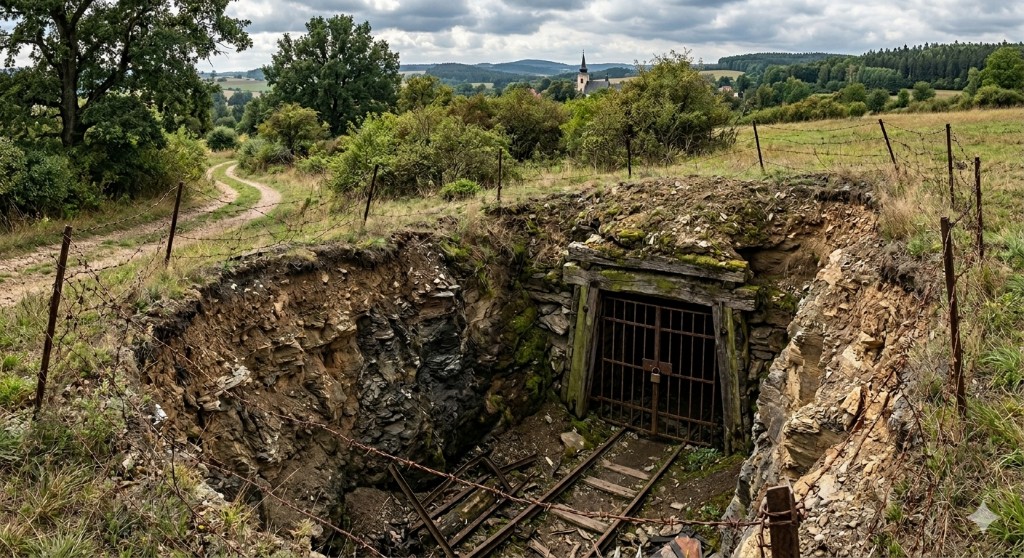
The biggest risks are invisible: old mine workings, radon levels, and archaeological finds can inflate foundations and delay timelines.

Protection zones: invisible boundaries you won’t see at first glance
Constraints often aren’t in the registry. Planning information and coordination drawings reveal zones where you can’t build or even fence.

Risks when buying land directly from the owner: what to watch for without an agent
Skipping an agent won’t protect you from invisible defects. Without escrow, planning checks, and legal access, you may buy a meadow, not a home site.

Owning a plot: the duties and headaches that start after you buy
Ownership isn’t only joy: upkeep, invasive species, tree safety, tax filings, and liability for nuisance and damage.